Why Choose a Manual Chain Hoist for Lifting?
In workshops, maintenance areas, and small construction projects, lifting rarely happens in perfect conditions. A Manual Chain Hoist can offer controlled movement when electricity is unavailable or difficult to access. Its hand chain gives operators direct feedback through every lift. You can feel resistance before a load moves too far. That matters.
The equipment is also practical. A compact hoist can hang from a beam, gantry, or approved lifting point. It needs no motor, battery, or complicated control panel. This simplicity can reduce setup time and routine maintenance. However, simple does not mean careless. The operator must confirm the load weight, inspect the chain, and check the hook before use. The supporting structure deserves equal attention. A strong hoist cannot correct a weak anchor.
Experienced technicians often prefer manual lifting for precise positioning. A gearbox can raise a machine component a few centimeters at a time. That control helps during alignment, repair, and installation work. It also supports safer communication around the load. Still, manual operation demands patience and proper training. Fatigue may affect judgment, especially during repeated lifts. I have seen how a rushed adjustment creates more risk than the lifting task itself.
Choosing the right Manual Chain Hoist involves more than comparing prices. Rated capacity, lift height, chain quality, braking performance, and service support all deserve review. Manufacturer instructions should guide selection and inspection. The best choice is not always the largest model. It is the one that matches the load, environment, and operator skill with dependable control.
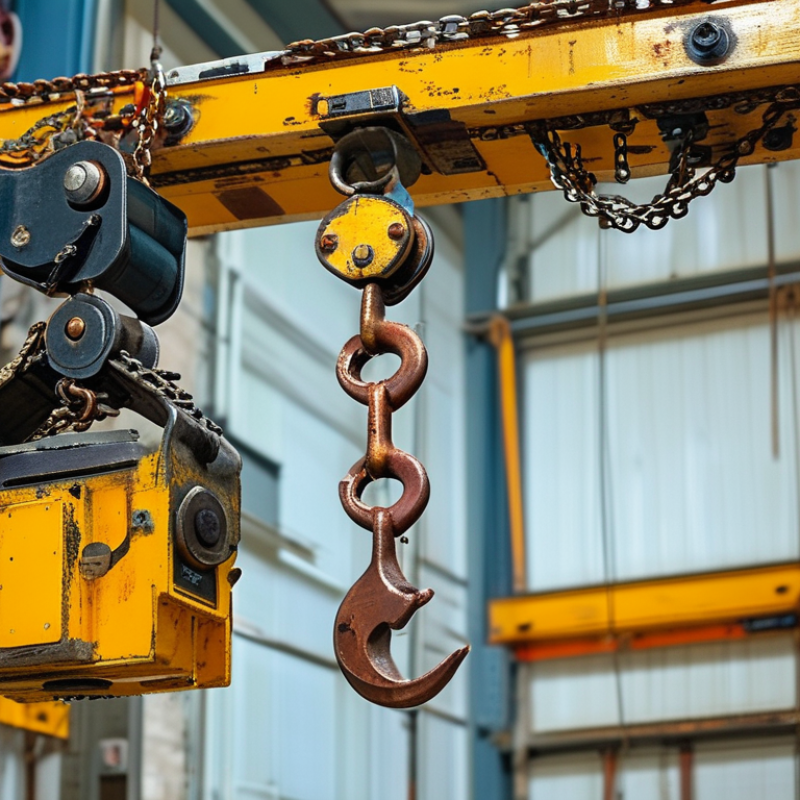
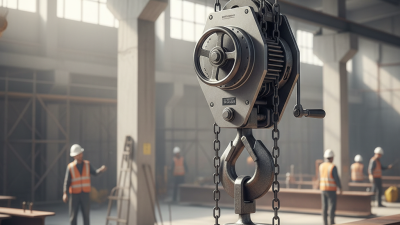
A manual chain hoist is a compact lifting device powered by human effort. It raises a load through a hand-operated chain, not electricity or compressed air. Inside the housing, gears multiply the operator’s pulling force. The load chain then moves through the mechanism and lifts the lower hook. A built-in brake holds the load when the operator stops pulling.
The working principle is straightforward. Secure the upper hook to a rated support, attach the lower hook to the load, and pull the hand chain steadily. The gears transfer this motion to the load chain. The brake should prevent uncontrolled descent. Smooth movement matters. Jerking can shift the load, strain the hook, or damage the chain.
Manual hoists suit workshops, construction maintenance, equipment positioning, and remote locations. They are useful where power is unavailable or precise, slow movement is preferred. However, they are not effortless. A heavy load still demands correct planning, stable footing, and trained handling. Check the rated capacity, chain condition, hooks, brake, and support point before lifting. Never pull sideways or stand beneath a suspended load. A common mistake is trusting a clean appearance too much; internal wear may remain hidden. Regular inspections and documented maintenance make the hoist more dependable. Simplicity helps, but it can also encourage overconfidence.
Why Choose a Manual Chain Hoist for Lifting?
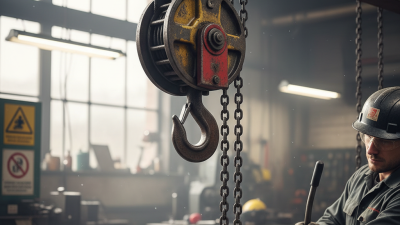
Manual chain hoists remain valuable when lifting requires control rather than speed. Their compact design works in workshops, maintenance areas, and temporary job sites. No electrical supply is needed. That matters during shutdowns, remote repairs, or power interruptions. The operator can raise a load slowly, stop precisely, and position it beside a machine or steel frame. This direct feedback helps identify load movement early.
Safety depends on disciplined use. The hoist must match the load’s working load limit, lift height, and intended duty. ASME B30.16 requires inspection, testing, and safe operating practices for overhead underhung hoists. Its guidance supports regular checks of chains, hooks, brakes, and load-bearing components. The UK Health and Safety Executive reported that handling, lifting, or carrying caused about 18% of non-fatal workplace injuries in 2022/23. A manual hoist does not remove these risks, but it can reduce uncontrolled movement when used correctly.
The physical chain pull can also expose operators to fatigue, especially during repeated lifts. That weakness is easy to overlook. A practical inspection should include twisted links, stretched chain, hook deformation, and brake performance. Never pull at an angle. Never exceed the marked capacity. Manual hoists are slower than powered equipment, and that may frustrate production teams. Yet slower movement can improve placement accuracy and protect nearby components. The choice should reflect lifting frequency, load geometry, workspace limits, and the operator’s real endurance—not only the purchase price.
Selecting the right manual chain hoist starts with the load, not the price. Record the object’s verified weight, shape, lifting points, and center of gravity. Add a sensible safety margin, but do not treat it as extra capacity. A hoist rated for 1 ton should not routinely lift 1 ton in uncertain conditions. Check the required lift height and available headroom. A compact unit may fit better above a machine, yet its shorter chain path can limit positioning. Measure the space before ordering.
Match the hoist to the working environment. Dust, moisture, outdoor exposure, and frequent lifting can affect chain movement and brake performance. Choose corrosion-resistant components where needed, and confirm the product’s rated duty cycle. For occasional maintenance, a standard manual model may be suitable. Repeated production work demands a stronger assessment. I have seen selections fail because users focused on maximum load and ignored side pulling. Manual chain hoists are designed for straight, controlled lifts. Never drag a load or lift people.
Inspect the load chain, hooks, latches, hand chain, and brake before use. Look for stretched links, bent hooks, damaged welds, or unusual noise. Clear instructions and accessible inspection records support reliable operation. Verify capacity markings, test documentation, and maintenance guidance from the supplier. Operator training matters too. A capable hoist can still be misused. I sometimes prefer a slightly larger capacity after checking headroom and handling effort, though that choice is not automatically safer. Too much equipment can encourage careless lifting. Selection should reflect the real task, the operator, and the site.
| Selection Dimension | Typical Options or Data | Why It Matters | Recommended Selection Guidance |
|---|---|---|---|
| Rated Capacity | Common manual chain hoist capacities range from approximately 0.5 tonne to 20 tonnes, depending on the model and application. | The hoist must safely support the complete lifted load, including rigging accessories where applicable. | Choose a rated capacity above the verified load weight. Never exceed the marked working load limit. |
| Required Lift Height | Standard chain lengths are commonly supplied in approximately 3 m, 6 m, and 9 m configurations; custom lengths may also be available. | Insufficient lifting height can prevent the load from reaching the required working position. | Measure the distance from the supporting point to the highest required load position, then allow suitable clearance. |
| Number of Chain Falls | Single-fall designs are often used for lighter loads, while two-, four-, or more-fall arrangements are used for higher capacities. | More chain falls can increase lifting capacity and reduce the manual pull required, but they usually reduce lifting speed. | Select the fall arrangement specified for the required capacity and lifting speed by the manufacturer. |
| Lifting Speed | Manual chain hoists generally lift more slowly than powered hoists because the operator raises the load by pulling the hand chain. | A slower, controlled lift is useful for positioning, maintenance, installation, and occasional lifting tasks. | Choose a manual hoist when precise control and occasional use are more important than high lifting speed. |
| Manual Operating Effort | Operating effort depends on rated capacity, gearing, chain falls, load condition, lubrication, and hoist design. | Excessive hand-chain force can reduce productivity and create operator fatigue. | Review the manufacturer’s specified hand-chain pull and select a model that matches the available operator strength and working conditions. |
| Headroom and Hook Distance | The distance between the upper suspension point and the lower load hook varies by hoist design and capacity. | A compact headroom dimension helps the load reach higher positions in areas with limited overhead space. | Compare the published headroom dimension with the available vertical clearance before purchasing. |
| Suspension Method | Common arrangements include top hook, clevis or lug mounting, beam trolley installation, and fixed support mounting. | The suspension system must be compatible with the supporting structure and intended direction of movement. | Verify support capacity, hook throat opening, beam dimensions, trolley compatibility, and structural alignment. |
| Load Chain Material and Grade | Load chains are manufactured from engineered alloy steel and are supplied in specific diameters and grades for the hoist design. | The load chain carries the suspended load and must have the correct strength, dimensions, and heat treatment. | Use only the chain type and size specified for the hoist. Do not substitute ordinary hardware chain. |
| Hook Design | Forged upper and lower hooks are commonly fitted with safety latches to help retain properly seated slings or attachments. | Hook condition and correct load seating are essential for preventing accidental disengagement. | Select hooks suitable for the lifting accessories and inspect for bending, cracks, excessive throat opening, and latch damage. |
| Braking System | Manual chain hoists commonly use an automatic mechanical load brake designed to hold the load when the hand chain is released. | Reliable load holding supports controlled positioning and helps prevent unintended lowering. | Confirm the brake type, rated load-holding capability, inspection procedure, and maintenance requirements. |
| Operating Environment | Standard models may suit clean indoor areas; corrosive, dusty, wet, outdoor, or hazardous locations may require special protection. | Moisture, chemicals, abrasive dust, and extreme temperatures can affect chains, brakes, hooks, and internal components. | Specify the environment before selection and check enclosure, coating, corrosion resistance, temperature range, and hazardous-area requirements. |
| Portability and Power Availability | Manual hoists operate without electricity, compressed air, or batteries and are generally suitable for temporary or mobile lifting setups. | They can be useful where power is unavailable, restricted, or impractical. | Choose a manual chain hoist for intermittent lifting, remote work areas, and applications requiring simple setup. |
| Inspection and Maintenance | Regular checks should cover the load chain, hooks, safety latches, brake, hand chain, gears, fasteners, and housing. | Wear, deformation, corrosion, contamination, and abnormal operation can compromise lifting safety. | Follow applicable local regulations and the manufacturer’s inspection intervals. Remove damaged equipment from service. |
| Standards and Documentation | Relevant requirements may include local lifting regulations and recognized standards such as ASME B30.21 or EN 13157, depending on the region. | Standards provide requirements for design, marking, operation, inspection, and safe use. | Check the rating plate, operating manual, certificates, and compliance documentation before putting the hoist into service. |
A manual chain hoist offers controlled lifting without electric power. It suits workshops, maintenance areas, and remote job sites. Safe operation begins before the first pull. Check the hoist body, load chain, hooks, and safety latch. Look for bent links, cracks, corrosion, or twisted chain. Confirm the rated capacity matches the load and lifting accessories. Do not guess the load weight. A small mistake can damage equipment or injure someone.
Attach the hoist to a sound overhead anchor approved for the expected load. Keep the hoist directly above the load. Side pulling can create dangerous forces. Clear people from the lifting area. Raise the load a few centimeters, then stop and check its balance. Pull the hand chain smoothly, without sudden jerks. Keep hands away from pinch points. Never stand below a suspended load. Follow the equipment instructions and applicable workplace safety requirements. If the chain skips or the load moves unevenly, stop immediately. A quick visual check may feel sufficient, but it is not.
Tips: Use gloves with a secure grip. Mark a clear exclusion zone. Keep the load stable with guide ropes when appropriate. Never leave a suspended load unattended. Record inspections and remove damaged equipment from service. In real work, pressure can encourage shortcuts. Resist that pressure. Safety decisions deserve a slower second look.
Manual chain hoists suit workshops, construction areas, warehouses, and maintenance rooms. They work without electricity or compressed air. This makes them useful where power is unavailable or access is limited. Operators can lift machinery, valves, beams, and replacement parts with controlled movement. Their compact design also helps in narrow spaces. However, the rated capacity must match the actual load, not an estimated weight.
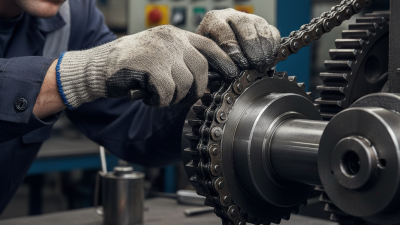
Maintenance begins before every lift. Inspect the load chain for stretched links, cracks, corrosion, or twisted sections. Check the hooks for bending, damaged latches, and unusual wear. Test the brake with a small, controlled load before regular operation. The chain should move smoothly. It should not grind, jump, or bind. Keep the chain clean and apply the lubricant specified by the equipment manufacturer. Excess lubricant can collect dust and hide damage.
Store the hoist in a dry location, away from chemicals and standing water. Periodic inspections should be recorded by a competent person. These records should include defects, repairs, and inspection dates. Never lift people or suspended loads over occupied areas. Training matters more than many teams admit. A checklist helps, but it can create false confidence. Real conditions change, and a quick visual check may miss internal brake wear. When damage or uncertain capacity appears, remove the hoist from service and obtain a qualified assessment.