Exploring the Mechanisms and Benefits of Chain Block Cranes in Modern Industry
In the realm of modern industry, efficiency and safety in material handling are paramount, and Chain Block Cranes have emerged as vital tools in achieving these objectives. According to the latest report by the International Material Handling Industry Federation, the market for lifting equipment, including Chain Block Cranes, is projected to grow by over 5% annually, reaching a valuation of $15 billion by 2025. This growth is driven by the increasing demand for reliable lifting solutions across various sectors, such as construction, manufacturing, and logistics.
Dr. Emily Carter, a noted expert in industrial lifting technologies, underscores the significance of these cranes in contemporary operations, stating, "The adaptability and robustness of Chain Block Cranes not only enhance productivity but also significantly reduce workplace accidents." As industries strive for optimized workflows while ensuring worker safety, the implementation of Chain Block Cranes can play a pivotal role in achieving these dual goals.
In this exploration of the mechanisms and benefits of Chain Block Cranes, we will delve into their operational principles, safety features, and the ways they contribute to industrial efficiency. By analyzing the top five advantages of incorporating Chain Block Cranes into modern industrial practices, we aim to provide insights that can guide businesses in making informed decisions about their material handling needs.
Understanding the Fundamental Principles of Chain Block Crane Operations
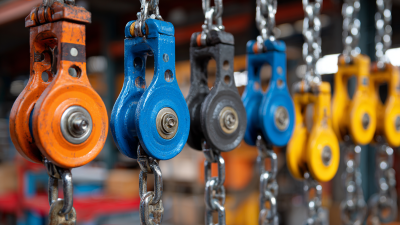
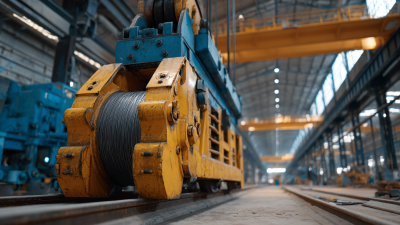
Chain block cranes are essential tools in modern industrial operations, offering a reliable method for lifting and moving heavy loads. The fundamental principles behind their operation involve a series of pulleys and a chain mechanism that reduce the effort needed to lift substantial weights. The operator pulls on the chain, which engages the blocks to amplify force and facilitate easier lifting. This mechanical advantage is crucial for enhancing efficiency in warehouses, construction sites, and manufacturing plants.
**Tips:** When using a chain block crane, always ensure that the load is evenly distributed to prevent tipping and ensure safety. Regular maintenance of the crane components, such as checking the chains and blocks for wear, is vital for safe operation.
Moreover, chain block cranes can be powered manually or electrically, giving them versatility in various settings. Their straightforward design allows for ease of operation, making them accessible even for workers with limited training. Understanding the operational fundamentals can assist operators in maximizing productivity while maintaining safety standards.
**Tips:** Always wear appropriate personal protective equipment (PPE) when operating cranes, and conduct regular safety assessments to minimize risks during lifting operations.
Key Components and Their Roles in Enhancing Efficiency
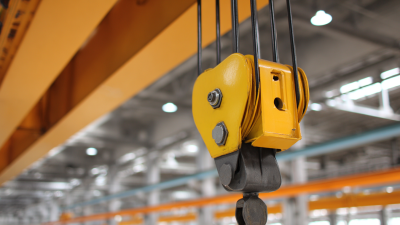
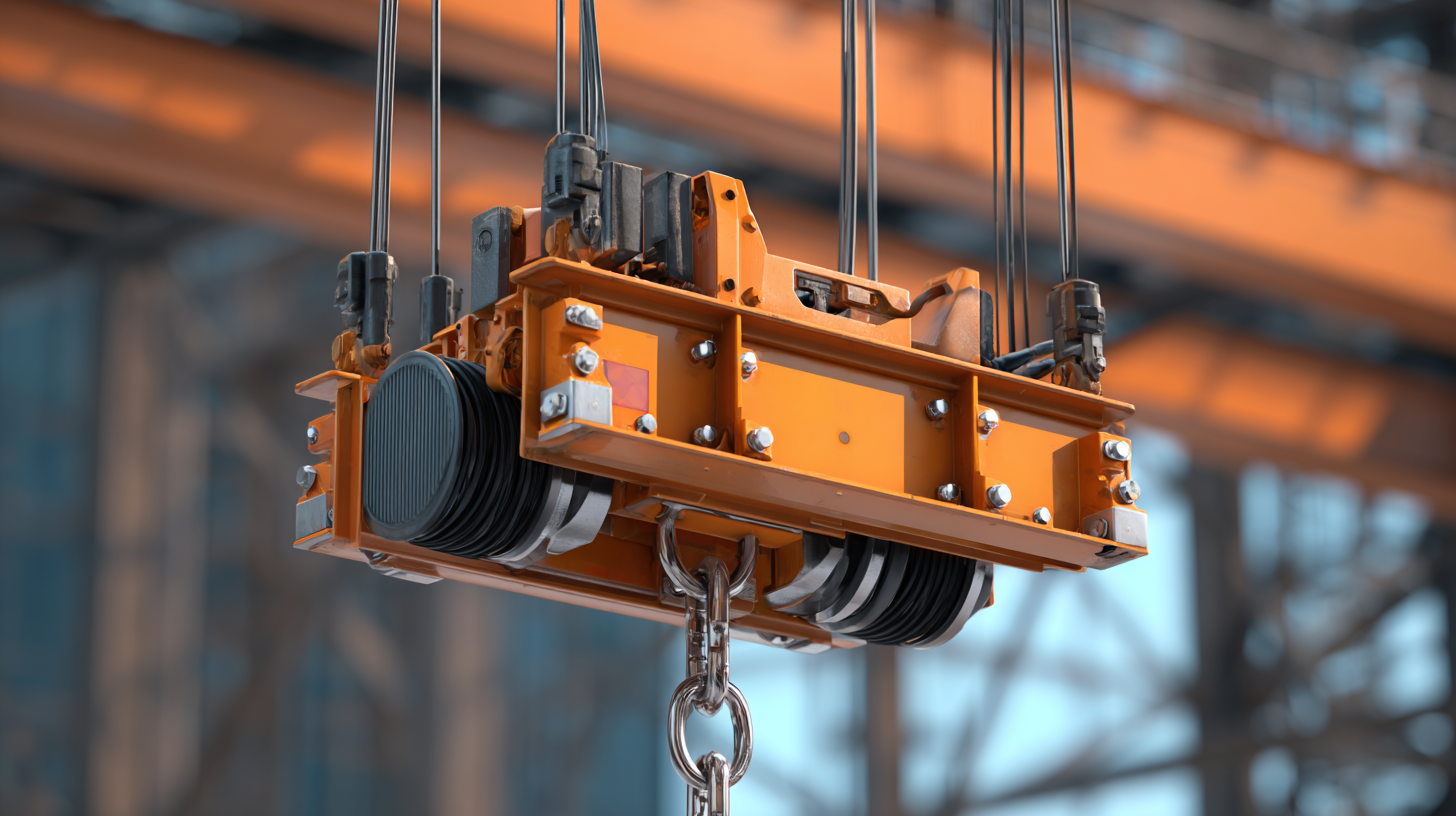
Chain block cranes are essential in modern industry, providing efficient solutions for lifting heavy loads. Key components, such as the chain, hoist, and block, play a vital role in enhancing operational efficiency. The chain is designed to withstand heavy weights and allows smooth lifting and lowering processes. Its material and construction contribute to durability, reducing the frequency of maintenance and replacements, thus saving time and costs.
The hoist mechanism is another critical component, converting electrical energy into mechanical power to lift loads. Advanced hoist designs incorporate variable speed controls, enabling precise maneuvering of materials. This precision enhances productivity, as operations can be tailored to the specific needs of different tasks. Furthermore, the block system ensures stability and direction during lifting, minimizing the risk of accidents and damage to both the load and the surrounding work environment. Together, these components facilitate safer and more efficient workflows, making chain block cranes an indispensable tool in various industrial applications.
Comparative Analysis: Chain Block Cranes vs. Alternative Lifting Solutions
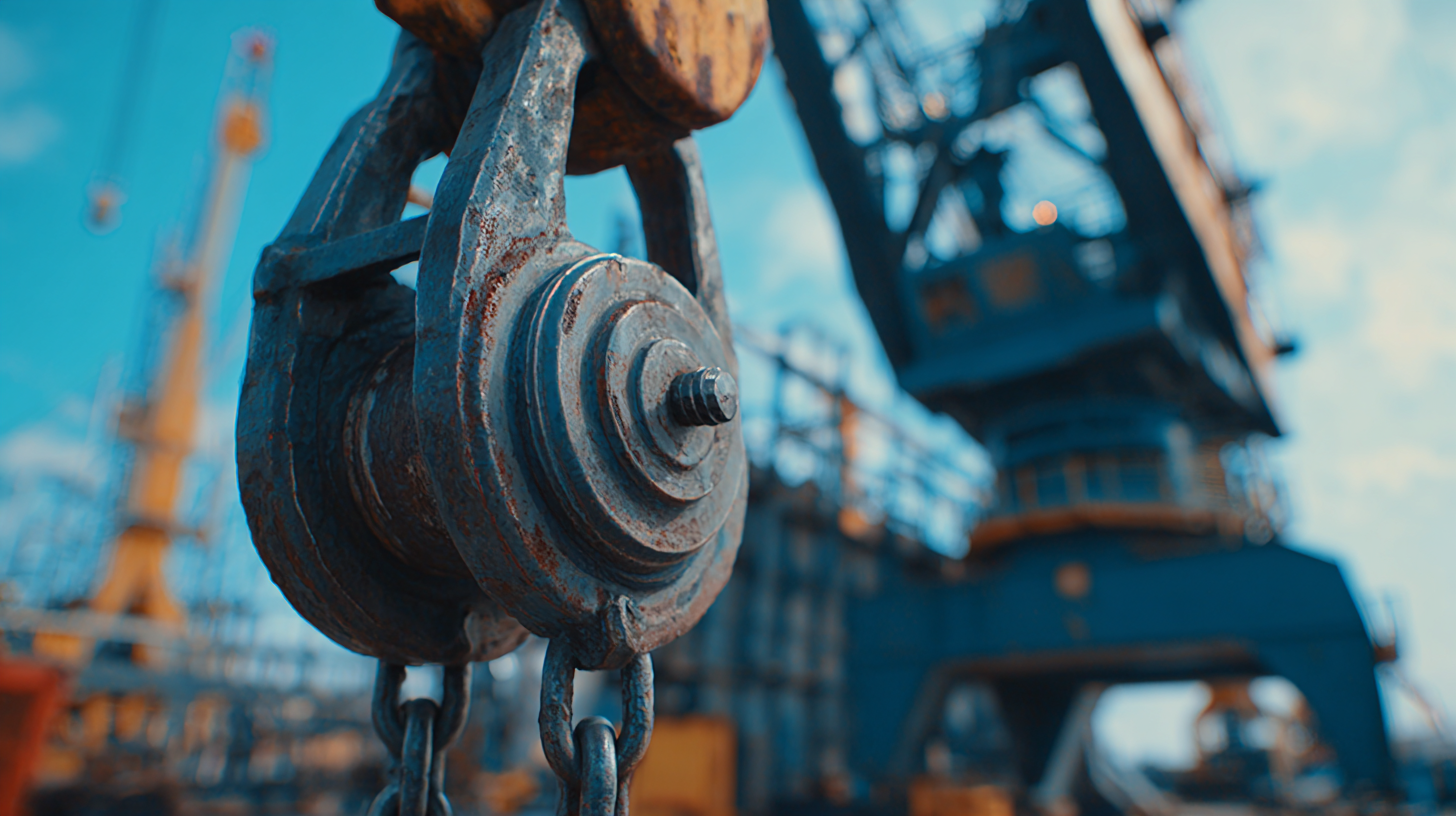
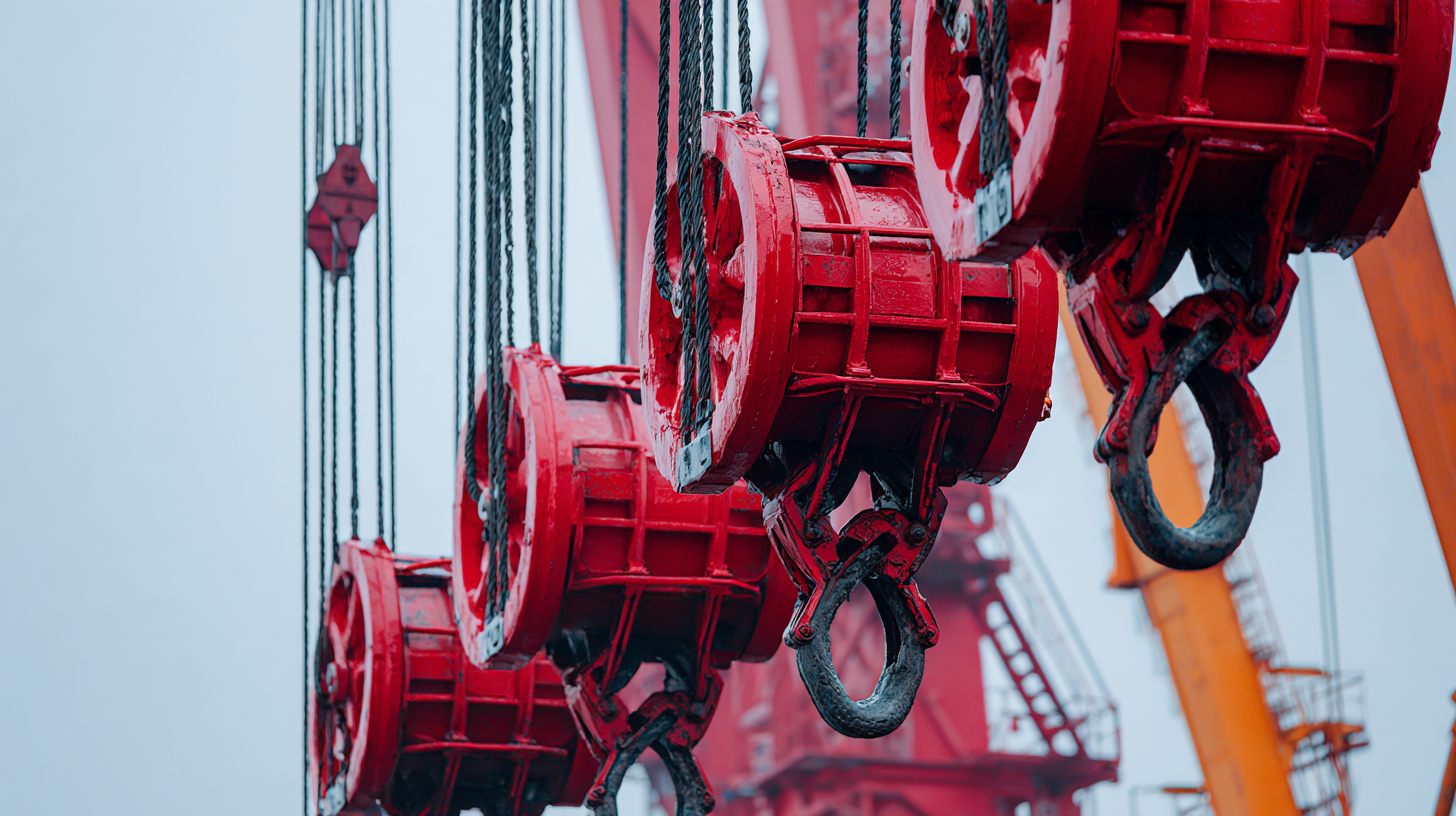 Chain block cranes, a pillar in modern industrial lifting solutions, offer significant advantages over alternative methods like hydraulic lifts and hoists. According to a recent industry report by Market Research Future, the global demand for chain block cranes is projected to grow by 6% annually through 2025, driven by their versatility and cost-efficiency. In contrast, hydraulic lifts, while effective for specific applications, have a more limited weight capacity and are often more expensive to maintain. The durability and ease of use of chain block cranes make them a preferred choice in industries ranging from construction to manufacturing.
Tips: When selecting a lifting solution, consider the weight of the loads you'll be moving. Chain block cranes can effectively handle loads ranging from 0.5 to 20 tons, providing exceptional flexibility. Additionally, ensure that the workspace allows for proper maneuverability, as chain block cranes require ample vertical space to operate effectively.
Another critical aspect is safety. The failure rate of alternative lifting solutions, such as electrical hoists, can be up to 15% higher due to the complexity of their systems. Implementing regular maintenance and training for operators can drastically reduce risks associated with chain block cranes. Always prioritize lifting methods that offer reliability and compliance with safety standards, such as those outlined in OSHA regulations.
Safety Considerations and Best Practices in Chain Block Crane Usage
When utilizing chain block cranes in modern industry, safety considerations are paramount. According to the Occupational Safety and Health Administration (OSHA), improper use of lifting devices accounts for approximately 15% of all workplace injuries. This emphasizes the need for rigorous safety protocols during operation. Workers should be trained to understand load limits, as exceeding these limits can not only damage equipment but also pose serious risks to personnel. Regular inspections of the chain block system and adherence to manufacturer guidelines help mitigate hazards associated with wear and tear.
Implementing best practices is essential to enhance safety in chain block crane usage. The American National Standards Institute (ANSI) suggests that operators conduct pre-use checks and ensure that the working environment is clear of obstructions to prevent accidents. Additionally, utilizing personal protective equipment (PPE), such as hard hats and safety shoes, further safeguards workers. A study published in the Journal of Safety Research highlights that companies with comprehensive training programs for crane operators experience 30% fewer accidents compared to those without. By prioritizing safety training and adhering to industry standards, organizations can significantly reduce the risk of incidents while maximizing the efficiency of chain block cranes.
Exploring the Mechanisms and Benefits of Chain Block Cranes in Modern Industry - Safety Considerations and Best Practices in Chain Block Crane Usage
| Dimension |
Description |
Benefits |
Safety Considerations |
Best Practices |
| Load Capacity |
The maximum weight the crane can safely lift. |
Improved efficiency in lifting heavy objects. |
Always adhere to the specified load limits. |
Regularly inspect load capacities based on the application. |
| Lift Height |
The vertical distance the crane can lift an object. |
Versatility in handling various heights in industrial settings. |
Ensure stability at maximum lift height. |
Use appropriate methods for high lifts. |
| Power Source |
Electrically powered or manual options. |
Reduced manual labor and increased speed. |
Ensure proper electrical safety protocols are in place. |
Follow manufacturer guidelines for operation. |
| Mobility |
Ability to navigate different work environments. |
Enhanced accessibility to various areas. |
Ensure the path is clear of obstacles before moving. |
Conduct training on maneuvering guidelines. |
| Operator Training |
Knowledge and skills required for operation. |
Safe operation leading to fewer accidents. |
Mandatory training and certification. |
Provide continuous training and refreshers. |
Future Innovations and Trends in Chain Block Crane Technology
The evolution of chain block crane technology is shaping the future of industrial machinery, creating a paradigm shift in efficiency and reliability. With advancements in automation and smart technology, the latest models now integrate IoT capabilities, allowing operators to monitor performance remotely. This transition not only enhances operational safety but also reduces downtime, a crucial factor in modern manufacturing environments.
Tips: When integrating new crane technologies, ensure proper training for staff to maximize safety and efficiency. Additionally, consider regular maintenance schedules for optimal performance.
Emerging trends in this field indicate a movement towards lightweight materials and energy-efficient designs, reflecting a broader industry push for sustainability. These innovations not only cater to the increasing demands for high-performance equipment but also align with global efforts to reduce carbon footprints. As companies look to future-proof their operations, chain block cranes equipped with cutting-edge technology will undoubtedly become vital assets in industrial supply chains.
Tips: Stay updated on the latest innovations in crane technology by attending industry exhibitions and conferences to network with professionals and gain insights into best practices.