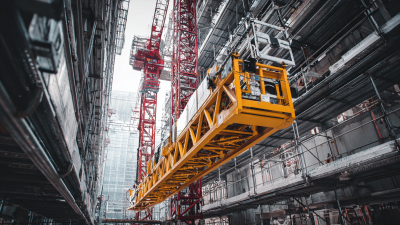
Maximizing Efficiency: How Trolley Crane Hoists Revolutionize Material Handling in Modern Industries
In the rapidly evolving landscape of modern industries, the need for increased operational efficiency has become paramount. Trolley Crane Hoists have emerged as a pivotal technology in optimizing material handling processes. According to a report by the Material Handling Industry of America, the material handling equipment market is projected to grow by 8% annually, driven by advancements in automation and efficiency-boosting technologies. These hoists have been shown to reduce labor costs by up to 25% while enhancing safety standards, thereby transforming the way heavy materials are maneuvered within manufacturing and construction environments. By integrating Trolley Crane Hoists, companies can achieve streamlined workflows and improved productivity, ultimately leading to significant cost savings and more sustainable operations. This revolution in material handling not only underscores the importance of innovative solutions but also highlights the growing demand for effective equipment in industry applications worldwide.
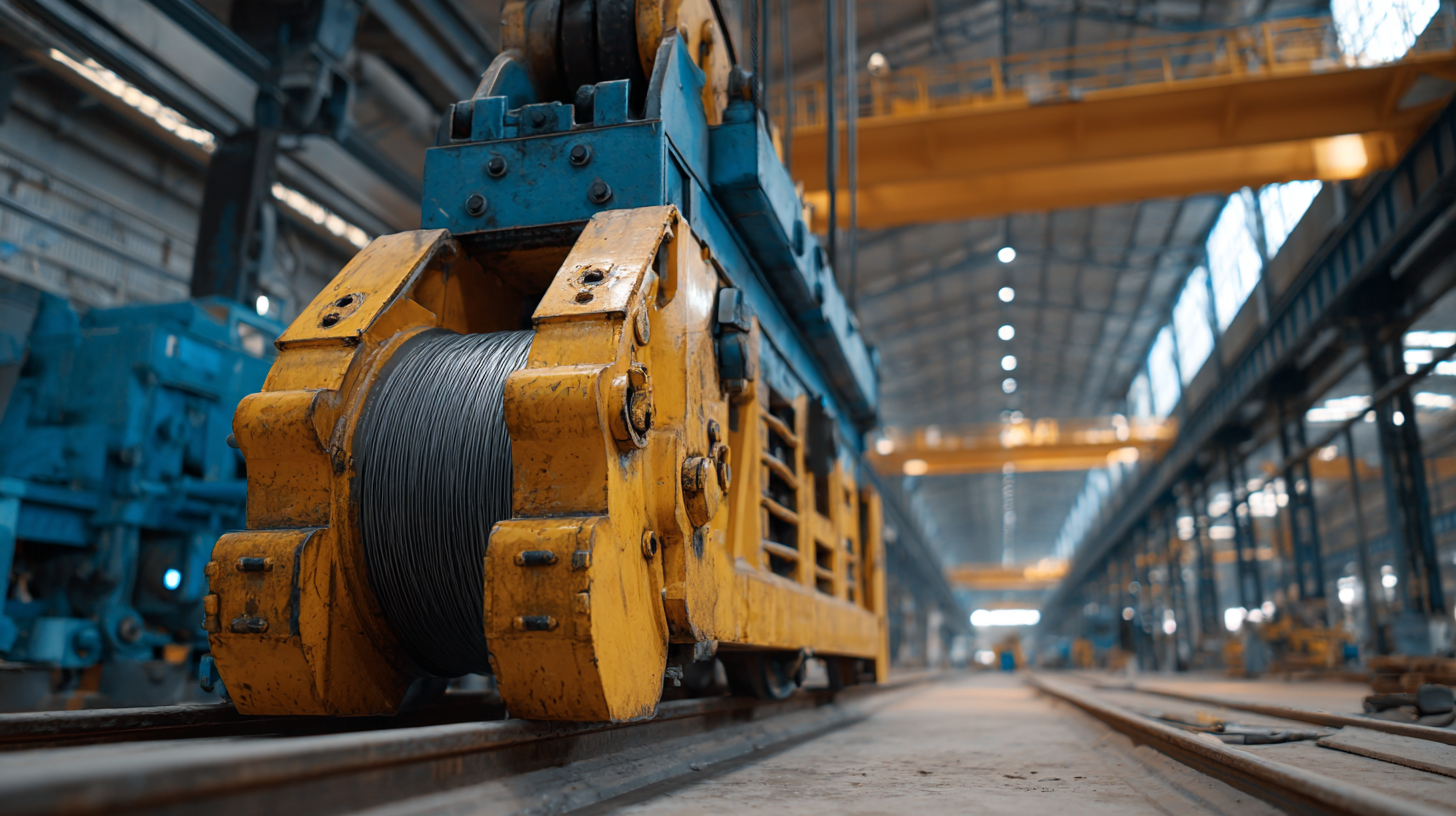
Benefits of Trolley Crane Hoists in Boosting Manufacturing Productivity and Reducing Downtime
Trolley crane hoists have become indispensable in modern industries, significantly enhancing manufacturing productivity. By allowing seamless vertical and horizontal movement of materials, these hoists minimize the time spent on loading and unloading tasks. This efficiency ensures that production lines are streamlined, with reduced waiting times for materials, thus maximizing the output of workers and equipment alike. As a result, companies can achieve higher rates of production without sacrificing quality.
Moreover, trolley crane hoists play a crucial role in reducing downtime, one of the primary concerns in manufacturing operations. Their robust design and easy maneuverability enable rapid responses to operational challenges, minimizing interruptions in workflow. Regular maintenance schedules can be adhered to effortlessly, further curtailing unexpected breakdowns. By integrating these hoists into their operations, industries can maintain a steady flow of production, boost overall efficiency, and enhance their ability to meet customer demands in a timely manner.
Maximizing Efficiency: How Trolley Crane Hoists Revolutionize Material Handling in Modern Industries
| Feature |
Description |
Benefit |
| Increased Load Capacity |
Trolley crane hoists can handle heavier loads compared to traditional systems. |
Enhanced ability to lift and transfer materials, improving operational efficiency. |
| Space Optimization |
Designed to operate in limited spaces with high vertical reach. |
Maximizes usable floor space, allowing for better organization of materials. |
| Automation Capability |
Can be integrated with automated systems for remote operation. |
Reduces labor costs and minimizes human error in operation. |
| Durability and Reliability |
Built to withstand harsh industrial environments. |
Longer operational life and fewer maintenance needs reduce downtime. |
| Safety Features |
Equipped with various safety mechanisms like overload protection. |
Increases worker safety and reduces the risk of accidents and injuries. |
Key Industry Statistics on Material Handling Efficiency Improvements with Trolley Cranes
Trolley crane hoists are rapidly transforming material handling in modern industries, significantly improving efficiency. Recent industry statistics reveal that the global material handling equipment market is projected to grow from $252.53 billion in 2025 to $390.88 billion by 2032, reflecting a robust compound annual growth rate (CAGR) of 6.4%. This growth is driven by advancements in automation and the adoption of cutting-edge technologies, including AI and IoT, which enhance the operational capabilities of trolley cranes.
To maximize efficiency in your operations, consider incorporating autonomous features in your trolley crane systems. These innovations not only streamline processes but also minimize labor costs and improve safety. Another tip is to invest in robust training programs for operators, ensuring they are proficient in the latest technologies and best practices in material handling. This investment will foster a more adept workforce capable of navigating the complexities of modern machinery, ultimately leading to higher productivity levels and reduced downtime.
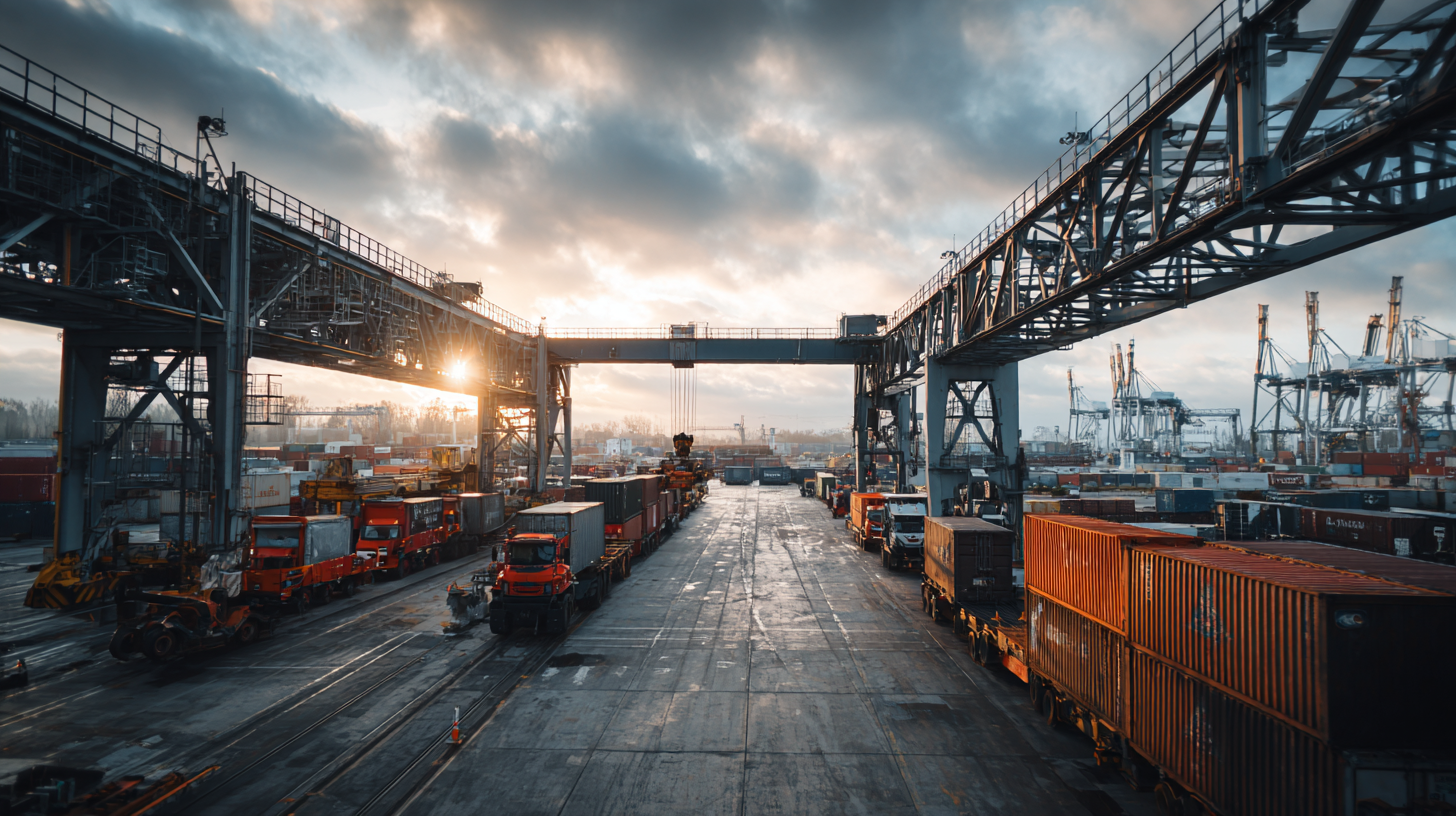
Comparative Analysis: Traditional Hoisting Methods Versus Modern Trolley Crane Systems
In the realm of material handling, traditional hoisting methods often depend on static cranes and manual labor, which can be labor-intensive and time-consuming. Techniques such as block and tackle systems, while reliable, limit the speed and efficiency of operations, requiring significant manpower for navigation and load management. Such systems also have constraints in terms of weight capacity and the range of motion, making them less suitable for modern industrial requirements where versatility and quick turnaround times are paramount.
In contrast, modern trolley crane systems introduce a level of efficiency and adaptability that traditional methods simply cannot match. With automated hoisting mechanisms and the ability to maneuver loads seamlessly along designated paths, trolley cranes minimize the risk of accidents and enhance workflow. They allow for quicker loading and unloading processes, reducing downtime and increasing productivity. Furthermore, the precision offered by these systems means that heavy materials can be handled with greater safety and control, alleviating the physical strain on workers and optimizing resource management in various industrial settings.
Impact of Ergonomics and Safety Standards on Trolley Crane Hoist Adoption in Warehousing
The adoption of trolley crane hoists in modern warehousing is significantly driven by the integration of ergonomics and adherence to safety standards. According to a report by Research and Markets, the global hoist market is projected to grow at a CAGR of 5.6% from 2021 to 2026. This growth is partly attributed to the increasing recognition of ergonomic design in lifting equipment, which minimizes the physical strain on workers and enhances productivity. Ergonomic hoists reduce the risk of musculoskeletal disorders, a pressing concern highlighted in studies by the Occupational Safety and Health Administration (OSHA), which report that workplaces with ergonomic solutions can see a reduction in injury rates by up to 50%.
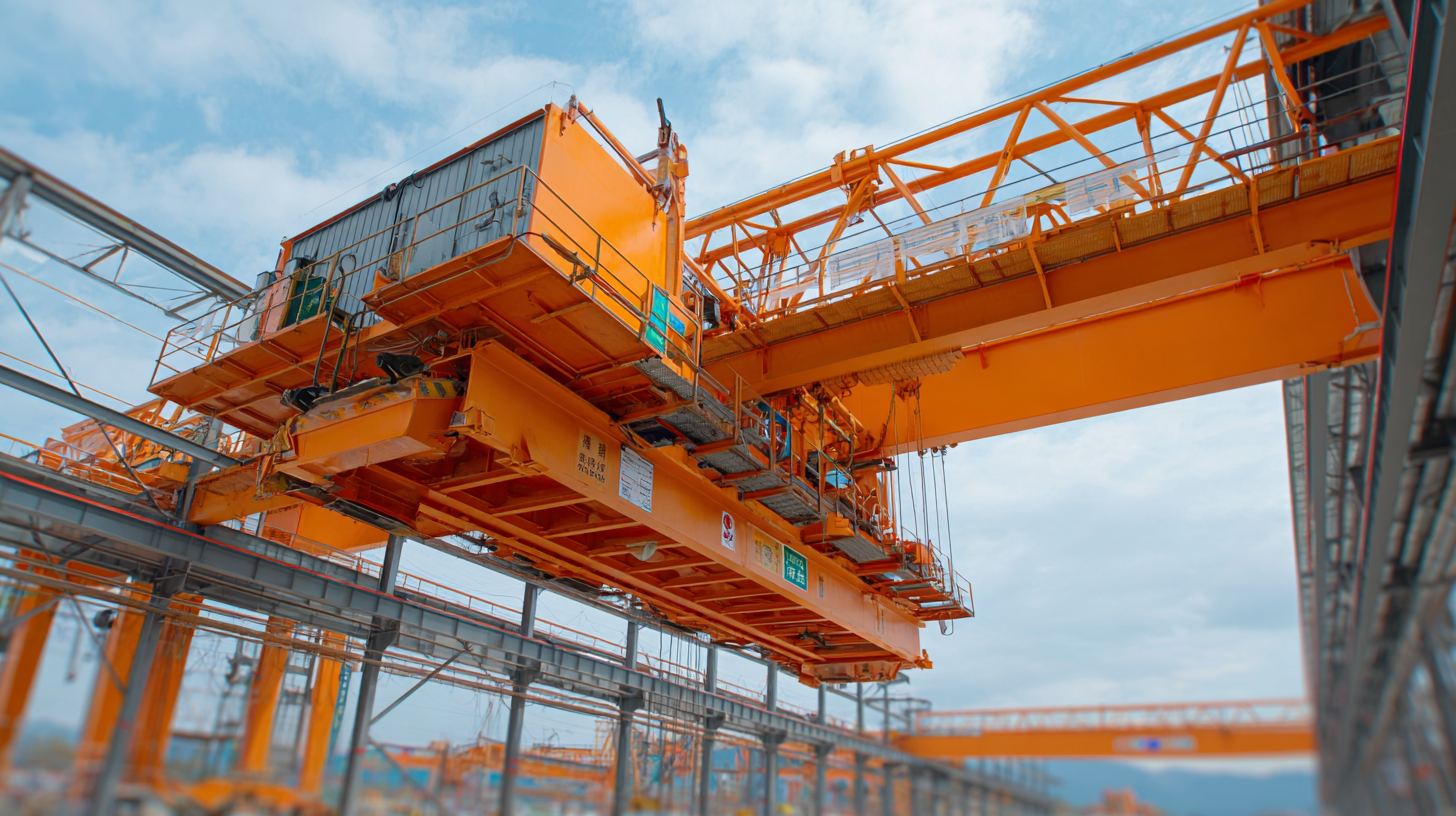
In addition to improving worker comfort, safety standards such as ISO 9001 outline the necessity for robust inspection and maintenance protocols in hoist operations. Companies that prioritize compliance not only ensure the safety of their workforce but also witness a decrease in downtime, ultimately boosting operational efficiency. A survey conducted by the National Safety Council indicates that organizations investing in safety training and ergonomic equipment have experienced up to a 30% increase in employee satisfaction.
Tips for Implementing Trolley Crane Hoists:
- Regularly assess your workforce's needs to choose the right ergonomic model that fits your operations.
- Ensure that all employees are trained on safety standards and best practices for using trolley cranes.
- Conduct routine inspections to maintain high safety standards and minimize operational disruptions.
Case Studies: Real-World Applications of Trolley Cranes Transforming Material Flow in Industries
Trolley cranes have significantly impacted material handling across various industries, showcasing their versatility and efficiency in real-world applications. In construction, for instance, the integration of trolley crane hoists facilitates the rapid movement of heavy materials, drastically improving workflow and reducing labor costs. Recent advancements in real-time monitoring systems have further enhanced the role of trolley cranes. These systems utilize sensors and advanced mapping techniques to track the movement of materials and equipment, allowing project managers to optimize operations and address logistical challenges promptly.
In the manufacturing sector, trolley cranes have transformed assembly lines by enabling precise and swift transfer of components between workstations. Case studies have demonstrated the effectiveness of these hoists in minimizing downtime and increasing production rates. Additionally, the implementation of intelligent robotics alongside trolley cranes has streamlined processes in various settings, from warehouses to automotive assembly plants. This synergy between innovative materials handling solutions and cutting-edge technology marks a significant shift in how industries manage their workflows, highlighting the growing importance of efficiency in modern operations.