Revolutionizing Logistics: The Impact of Hydraulic Cargo Lifts on Warehouse Efficiency and Safety Standards
In the ever-evolving landscape of logistics and supply chain management, the integration of advanced technologies is crucial for enhancing operational efficiency and safety standards. One innovative solution making waves in modern warehouses is the Hydraulic Cargo Lift. These sophisticated systems
 not only streamline the process of moving heavy goods vertically but also significantly reduce the risk of workplace injuries associated with manual lifting. As warehouses increasingly adapt to the demands of e-commerce and high-volume storage, understanding the transformative impact of Hydraulic Cargo Lifts becomes essential.
This article will explore practical tips and strategies for implementing these lifts effectively, highlighting how they can revolutionize logistics operations and set new benchmarks for safety and efficiency in warehouse management. By embracing such innovations, businesses can achieve remarkable improvements in both productivity and employee wellbeing.
Impacts of Hydraulic Cargo Lifts on Warehouse Operational Efficiency
Hydraulic cargo lifts have emerged as a game-changer in modern warehousing, significantly enhancing operational efficiency and safety standards. According to a recent report from the Material Handling Industry of America, the implementation of hydraulic systems can increase lifting operations by as much as 30%, enabling warehouses to handle larger volumes of goods more swiftly. This boost in efficiency is critical as e-commerce continues to drive demand for faster order fulfillment and more agile supply chains. By automating the lifting process, warehouses minimize manual labor and reduce the risk of injuries caused by heavy lifting, thus improving overall workplace safety.
Moreover, the integration of hydraulic lifts contributes to space optimization within warehouses. Research from the Warehousing Education and Research Council indicates that incorporating these lifts can reduce the required floor space for loading and unloading by nearly 20%. This spatial efficiency allows companies to maximize their storage capabilities and streamline logistics operations. As industries increasingly prioritize both efficiency and safety, the adoption of hydraulic cargo lifts has become essential for organizations striving to remain competitive in a rapidly changing market.
Enhancing Safety Standards in Warehousing through Hydraulic Lifts
The introduction of hydraulic cargo lifts in warehouses has significantly transformed safety standards, promoting a safer working environment. These lifts reduce the need for manual handling of heavy loads, thereby minimizing the risk of injury among workers. Traditional methods of transporting goods often lead to accidents such as musculoskeletal injuries and slips or falls. By automating the lifting process, hydraulic lifts mitigate these dangers, allowing employees to focus on tasks that require skill rather than physical strength.
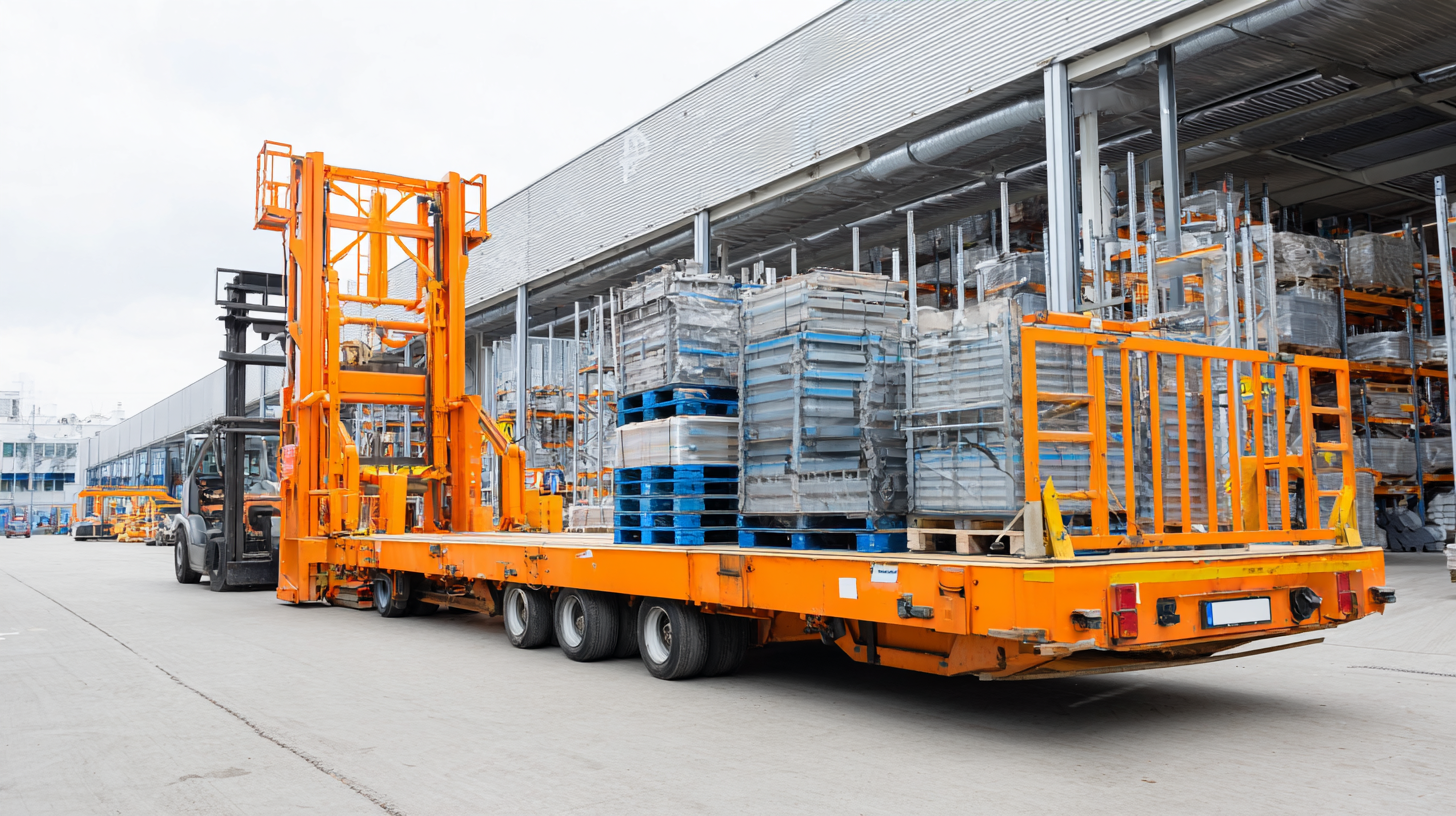
Moreover, hydraulic cargo lifts enhance operational efficiency by facilitating smoother workflows. In environments where quick turnaround times are crucial, the ability to lift and lower cargo with precision promotes seamless transitions between different stages of warehousing operations. This technology not only adheres to safety regulations but also encourages a culture of safety awareness among staff. As workers become accustomed to using hydraulic lifts, they are more likely to prioritize safety practices, further reducing the risk of workplace injuries and improving overall productivity.
Cost-Benefit Analysis of Implementing Hydraulic Cargo Lifts
The integration of hydraulic cargo lifts in warehouses presents a compelling cost-benefit landscape for modern logistics operations. On one hand, the initial investment in hydraulic lift systems can be substantial, encompassing purchase, installation, and training costs. However, the long-term financial advantages often outweigh these early expenditures. By significantly reducing manual handling and expediting the movement of goods between different warehouse levels, these lifts enhance operational efficiency. This translates to increased throughput, which can lead to higher revenue generation and an improved bottom line.
Moreover, the operational safety enhancements provided by hydraulic lifts further contribute to their value proposition. By minimizing the risk of injury associated with heavy lifting tasks, companies can reduce costs related to workplace injuries, including medical expenses and potential legal claims. Enhanced safety standards foster a more productive work environment, encouraging employee morale and retention. Ultimately, hydraulic cargo lifts are not just a logistical upgrade; they represent a strategic investment that aligns efficiency gains with improved safety outcomes, thereby driving overall business success in a competitive market.
Revolutionizing Logistics: The Impact of Hydraulic Cargo Lifts on Warehouse Efficiency and Safety Standards
| Metric |
Before Implementation |
After Implementation |
Percentage Change |
| Average Loading Time (minutes) |
30 |
20 |
-33.33% |
| Injury Rate (incidents per year) |
15 |
5 |
-66.67% |
| Operational Cost ($ per month) |
5000 |
4500 |
-10.00% |
| Employee Satisfaction (out of 10) |
6.5 |
8.5 |
+30.77% |
| Capacity Utilization (%) |
70 |
85 |
+21.43% |
Comparative Analysis: Traditional Lifting Methods vs. Hydraulic Cargo Lifts
The logistics industry is undergoing a significant transformation with the advent of hydraulic cargo lifts, which stand in stark contrast to traditional lifting methods. Hydraulic cargo lifts utilize fluid power to generate force, making them not only more efficient but also significantly safer for warehouse operations. Reports indicate that warehouses employing hydraulic lifts can increase their loading and unloading speed by over 30%, thus optimizing overall workflow efficiency. In contrast, traditional lifting methods, such as forklifts or manual lifting, often lead to time delays and higher incidences of workplace injuries.
Tip: When transitioning to hydraulic cargo lifts, ensure that all personnel are thoroughly trained in their operation and safety protocols. Proper understanding of the equipment is vital for maximizing benefits and minimizing risks.
Furthermore, studies have revealed that hydraulic lifts contribute to improved ergonomic safety by reducing manual handling and associated strain injuries. With the average cost of workplace injuries in warehouses estimated at $5,000 per incident, investing in hydraulic lifts can result in substantial long-term savings. Companies committed to enhancing warehouse safety standards can thus leverage hydraulic technology to not only meet compliance regulations but also elevate their operational efficiency.
Tip: Regular maintenance of hydraulic lifts is essential. Implement a scheduled check-up routine to ensure all components are functioning optimally and to prolong the lifespan of the equipment.
Future Trends in Warehouse Automation and Hydraulic Lift Technology
The landscape of warehouse automation is rapidly evolving, with hydraulic cargo lifts at the forefront of this transformation. According to a report by MarketsandMarkets, the warehouse automation market is expected to grow from $15 billion in 2020 to over $30 billion by 2026, reflecting a compound annual growth rate (CAGR) of approximately 12.5%. This surge is heavily influenced by the integration of advanced technologies such as hydraulic lifts, which enhance operational efficiency and safety standards in modern warehouses.
One of the key trends in hydraulic lift technology is the shift towards smart and interconnected systems. These advanced hydraulic lifts are increasingly equipped with IoT sensors, allowing for real-time monitoring and predictive maintenance. This ensures that potential issues are identified before they lead to equipment failure, resulting in reduced downtime and increased productivity. Additionally, two-thirds of logistics companies report that investments in automation have significantly improved their safety records, emphasizing the critical role of hydraulic lifts in creating a safer work environment.
Tips:
1. Invest in IoT-enabled hydraulic lifts to stay ahead in efficiency and maintenance.
2. Regular training for staff on using hydraulic lifts can further enhance safety and operational efficiency.
3. Monitor warehouse metrics such as lift utilization rates to optimize workflow and resource allocation.