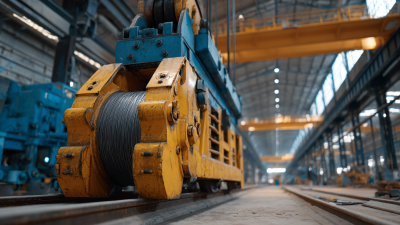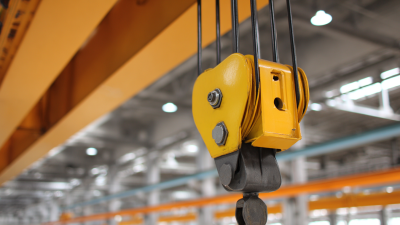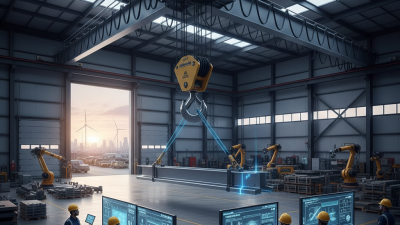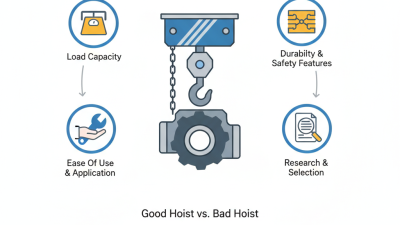
In the realm of material handling, the Monorail Trolley Hoist stands out as a key tool for efficiency and safety. Industry expert John Smith, a leading engineer with over 20 years of experience, states, "Choosing the right Monorail Trolley Hoist can make or break your operations." This emphasizes the critical nature of selecting an appropriate hoist for your specific needs.
Evaluating options can feel overwhelming. There are various factors to consider, including load capacity, lift height, and operational environment. Without the right considerations, even a seemingly perfect hoist can lead to inefficiencies. It’s essential to reflect on your operational demands and the limitations of your space.
Making a well-informed decision isn’t merely about technical specs. Understanding the importance of reliability and safety in your hoisting equipment is crucial. When selecting a Monorail Trolley Hoist, it’s imperative to balance your immediate needs with long-term operational goals.
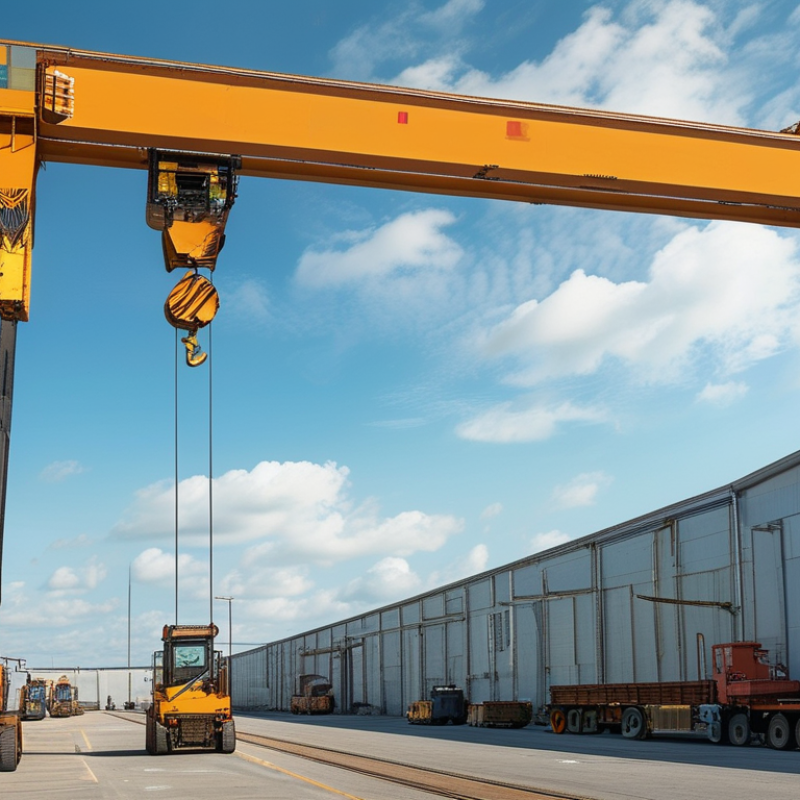
Monorail trolley hoists are crucial in various industries. They are designed to lift and transport heavy loads along a linear path. Understanding their basic functions can significantly impact efficiency and safety in a workplace. These hoists are often used in manufacturing, warehouses, and construction sites. Their ability to streamline operations makes them invaluable.
When selecting a monorail trolley hoist, consider the weight capacity needed for your tasks. Properly matching the hoist to the load is essential. Too often, users overlook this. Using a hoist rated for lighter loads can lead to dangerous situations. Equally important is the track system used. It should be compatible with the trolley hoist and ensure smooth operation.
Some may question whether they need a hoist at all. In some cases, manual lifting seems sufficient. However, relying on manpower can lead to injuries. This is where the monorail trolley hoist shines. It provides a safer alternative, allowing workers to focus on their tasks. Choosing the right equipment minimizes risks and maximizes productivity.
| Tip Number | Tip Description | Key Consideration | Typical Applications |
|---|---|---|---|
| 1 | Determine Load Capacity | Understand the weight that will be lifted. | Manufacturing, Warehousing |
| 2 | Assess Lift Height Requirements | Know how high you need to lift. | Construction, Assembly Lines |
| 3 | Evaluate Control Options | Consider manual vs. remote control. | Logistics, Automotive |
| 4 | Consider Environmental Factors | Understand if it will be used indoors or outdoors. | Construction Sites, Warehouses |
| 5 | Check for Safety Features | Ensure hoist has necessary safety certifications. | Any Hoisting Application |
| 6 | Review Maintenance Requirements | Understand how often and what is needed for upkeep. | Manufacturing, Industrial Use |
| 7 | Asses Installation Complexity | Evaluate the installation process and requirements. | Warehouse Systems, Production Lines |
| 8 | Explore Customization Options | Identify if a custom design is necessary. | Specialty Manufacturing, Heavy Industries |
| 9 | Understand Power Source Needs | Determine if electric, pneumatic, or manual is required. | Construction, Service Providers |
| 10 | Research Brand Reputation | Look for reviews and experiences from other users. | All Industries Using Hoists |
When selecting the right monorail trolley hoist, weight capacity is a crucial factor. Understanding the specific needs of your application is essential. Assess the maximum load you plan to lift regularly. This helps avoid underloading or overloading, both of which can cause safety risks.
Consider the type of materials you will be lifting. Different materials have varying weights and shapes. For instance, a hoist suited for steel beams may not be ideal for lighter materials. Ensure you factor in potential fluctuations in load weight. While a hoist might handle a few hundred pounds, lifting irregular shapes could require more capacity.
It’s also wise to think about future needs. What if your workload increases? Selecting a hoist with a slightly higher capacity than needed can be beneficial. A common mistake is to choose the lowest possible weight limit to save costs. This might lead to frequent breakdowns or hazardous working conditions.
Prioritize reliability and safety over savings. Doing this can prevent unnecessary downtime.
When selecting between electric and manual monorail trolley hoists, your choice affects operational efficiency. Electric hoists are often faster. They rely on power sources, making them suitable for heavy lifting tasks. However, they require a reliable electricity supply. Consider local power outages that might disrupt work.
Manual hoists have distinct advantages. They are portable and do not depend on electrical infrastructure. This can be useful in remote areas or locations with limited access to power. However, they demand more physical effort. Users may face fatigue during long lifting tasks. Assessing the workload and available resources is essential when making a decision.
As you evaluate power sources, think about your specific needs. Are you lifting heavy items repeatedly? An electric hoist may be best. If versatility and portability are priorities, a manual hoist shines. Efficiency and safety should always guide your choice. Balancing these needs can help you avoid potential regrets later. Each option has its pros and cons. Reflecting on your operational environment will ultimately lead to a more informed choice.
When selecting a monorail trolley hoist, safety features should always be a primary concern. Look for hoists equipped with overload protection systems. This feature prevents the hoist from lifting loads beyond its capacity. Regular overload events can lead to significant safety hazards and equipment damage.
Another crucial aspect is the braking system. Ensure the hoist has a reliable and responsive brake to stop and hold the load securely. A failing brake can result in catastrophic accidents. Reviewing the hoist’s design is essential. Opt for models with safety latches and guards to prevent accidental disengagement during operation.
Consider the ease of maintenance as well. Regular inspection and upkeep are key to ensuring ongoing safety. Some hoists may require complex setups for routine checks, potentially leading to overlooked issues. Look for hoists that provide clear access to components requiring regular maintenance. Balancing safety with ease of use can be challenging, but it's essential for dependable operations.
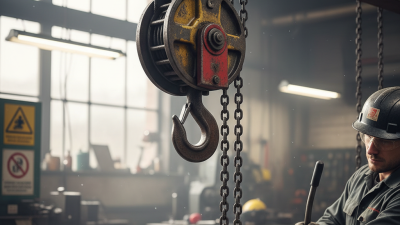
Maintenance is crucial for the longevity of your monorail trolley hoist. Regular inspections will help identify wear and tear before it becomes a serious issue. Pay attention to the hooks and pulleys, as these components often experience the most stress during operations. A small crack in a hook can lead to greater problems down the line. Ensure that operators are trained to notice any changes in performance, as this is often the first indicator of wear.
Routine lubrication keeps moving parts functioning smoothly. Dust and debris can accumulate, affecting the hoist's efficiency. Consider creating a maintenance schedule that aligns with your operational needs. Many users underestimate this aspect. Timing is everything; neglecting your hoist can result in unexpected downtime. Additionally, keeping detailed service records can help track issues over time. This data aids in decision-making about repairs or replacements.
Don't forget the environmental factors that might influence your hoist's condition. Humidity, temperature, and exposure to chemicals can all take a toll. Be realistic about your conditions and adjust your maintenance approach accordingly. It's easy to overlook these nuances. However, proactive measures can save money and extend the life of your hoist significantly.