Why Electric Chain Hoists Are Essential for Modern Industrial Operations
The increasing complexity of modern industrial operations calls for innovative solutions that enhance efficiency and safety. Among these,
Electric Chain hoists have emerged as crucial tools in various sectors, including manufacturing, construction, and logistics.
According to recent industry reports, the global electric hoist market is projected to reach over $3 billion by 2026, growing at a CAGR of approximately 6%.
This growth reflects the rising demand for advanced lifting equipment that can streamline processes and reduce manual labor risks.
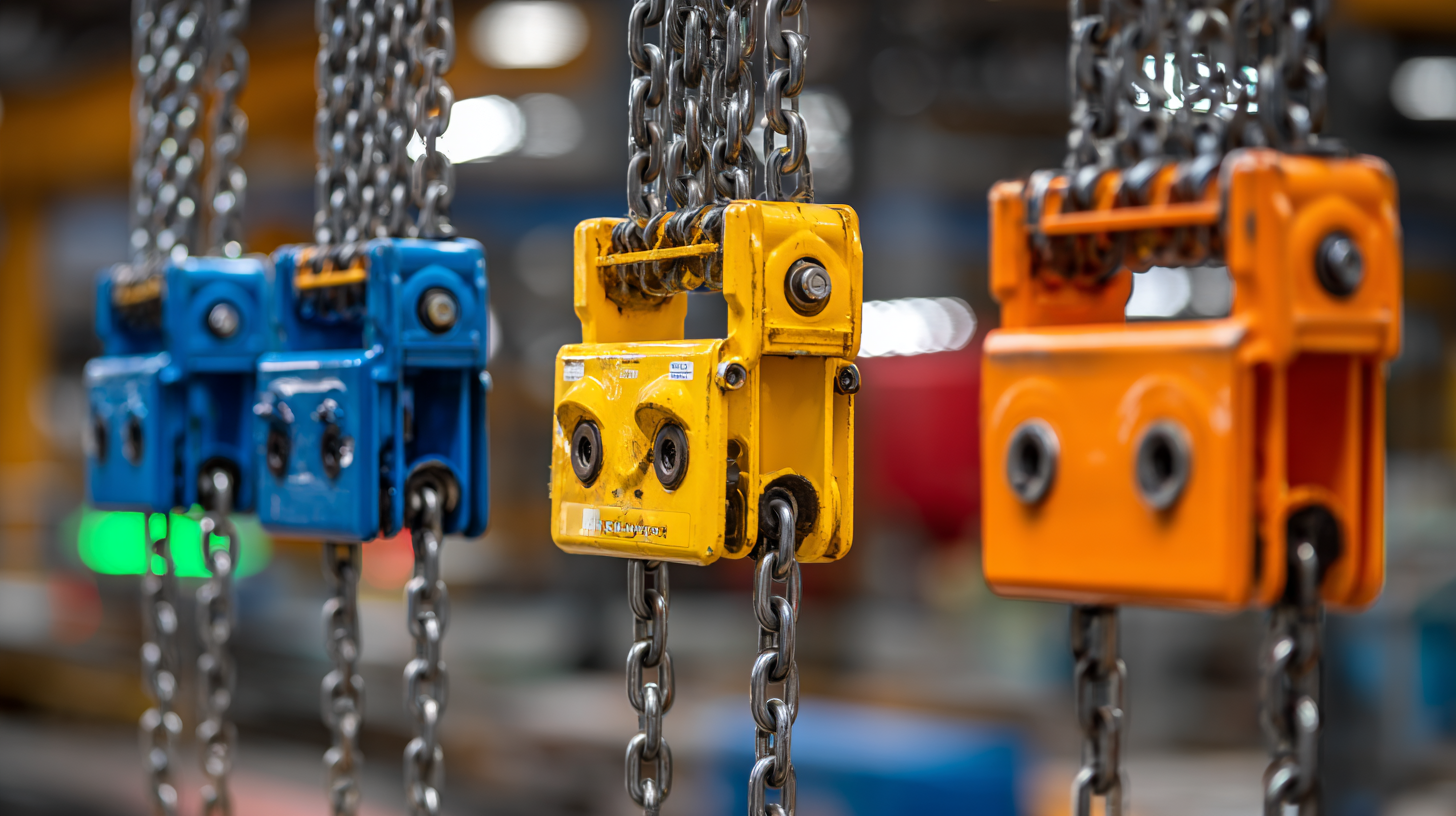
Electric Chain hoists are designed to provide powerful lifting capabilities while maintaining ease of use and operational efficiency. By utilizing electric power,
these hoists not only reduce energy consumption but also minimize the physical toll on workers, which aligns with the ongoing push for safer work environments.
Furthermore, recent studies indicate that the adoption of automated lifting systems, such as Electric Chain hoists, can decrease accident rates by up to 30%.
As industries continue to evolve, the role of Electric Chain hoists in enhancing productivity, safety, and operational effectiveness is becoming increasingly undeniable.
The Advantages of Electric Chain Hoists Over Traditional Manual Hoists
In modern industrial operations, electric chain hoists offer numerous advantages over traditional manual hoists. One major benefit is their efficiency. Electric chain hoists can lift heavier loads with minimal manual effort, significantly reducing the time required for material handling. This increased speed not only enhances productivity but also allows workers to focus on other critical tasks, thus streamlining operations.
Another key advantage is safety. Electric chain hoists come equipped with various safety features, such as limit switches and overload protection, which mitigate the risks associated with lifting heavy loads. In contrast, manual hoists require more physical strength and can lead to fatigue, increasing the likelihood of accidents. Utilizing electric hoists can minimize workplace injuries and create a safer environment for all employees.
**Tips:** When selecting an electric chain hoist, consider the weight capacities you'll frequently be lifting to ensure you choose a model that meets your operational needs. Regular maintenance checks are crucial; keep the hoist clean and inspect it for wear and tear to prolong its lifespan and maintain safety standards. Finally, train your staff to operate these hoists properly to maximize efficiency and safety in the workplace.
Why Electric Chain Hoists Are Essential for Modern Industrial Operations - The Advantages of Electric Chain Hoists Over Traditional Manual Hoists
| Feature |
Electric Chain Hoist |
Traditional Manual Hoist |
| Lifting Speed |
Faster lifting speeds, typically 10-20 times faster |
Slower lifting speeds, dependent on operator strength |
| Weight Capacity |
Can lift heavier loads, typically up to 10 tons or more |
Limited by human strength, often under 1 ton |
| Ease of Use |
User-friendly controls, less physical effort |
Requires significant manual effort to operate |
| Safety Features |
Includes overload protection and automatic stops |
Limited safety features, high risk of operator error |
| Maintenance |
Requires regular electrical maintenance |
Requires more frequent physical inspections and servicing |
| Cost Efficiency |
Higher initial cost but lower operational costs over time |
Lower initial cost but higher labor and operational costs |
Key Features That Make Electric Chain Hoists Ideal for Industrial Use
Electric chain hoists have become indispensable in modern industrial operations due to their unique features and capabilities. One critical advantage is their high lifting capacity, often ranging from a few hundred kilograms to several tons. According to a report by Markets and Markets, the global electric hoist market is projected to grow from $2.5 billion in 2021 to $3.5 billion by 2026, driven by the increasing demand for efficient lifting solutions across various industries.
Another significant feature of electric chain hoists is their
ease of use and safety. Equipped with advanced control systems, these hoists allow for precise lifting and lowering, minimizing the risk of accidents. Additionally, the inclusion of overload protection ensures that the hoists operate within their safe working load limits, further enhancing workplace safety. A study published in the
Journal of Occupational Safety found that organizations using electric chain hoists saw a
30% reduction in workplace injuries related to heavy lifting, underscoring their importance in maintaining a safer industrial environment.
Furthermore, electric chain hoists are designed for
efficiency and durability. With minimal maintenance requirements and improved energy efficiency, these hoists contribute to lower operational costs. The
International Energy Agency highlights that electrically operated lifting equipment can reduce energy consumption by up to
30% compared to traditional hoists. This combination of efficiency, safety, and durability positions electric chain hoists as a vital asset in today’s industrial settings.
Safety Enhancements Provided by Electric Chain Hoists in Work Environments
Electric chain hoists have become vital in modern industrial settings primarily due to their safety enhancements. Unlike traditional hoists, electric chain hoists are designed to minimize risks associated with heavy lifting. The integration of advanced safety features, such as overload protection, ensures that the equipment operates within its limits, preventing accidents caused by excessive weight. This level of precision reduces the likelihood of failure, providing operators with greater peace of mind while handling operational loads.
Moreover, electric chain hoists often come equipped with features like automatic brakes and limit switches, which significantly enhance operational safety. Automatic brakes engage immediately when a job is completed, ensuring that the load remains securely in place, even on slopes or uneven surfaces. Limit switches further safeguard against over-travel, stopping the hoist at predetermined points to prevent damage to both the equipment and the workspace. By investing in electric chain hoists, industries can create safer work environments, effectively reducing the potential for injuries and property damage, thus promoting a culture of safety at work.
How Electric Chain Hoists Improve Operational Efficiency and Productivity
Electric chain hoists have revolutionized modern industrial operations by significantly enhancing operational efficiency and productivity. These devices are designed for heavy lifting, enabling workers to handle large loads with minimal effort. This reduction in manual labor not only lowers the risk of injuries but also streamlines operations, as tasks that once took considerable time can now be accomplished swiftly. The precision with which electric chain hoists operate ensures that loads can be moved accurately and safely, thereby reducing downtime and improving workflow.
Additionally, the integration of electric chain hoists in industrial settings allows for better space utilization. Unlike traditional lifting methods that may require extensive setups and considerable floor space, electric chain hoists can be mounted in various configurations, making them adaptable to different work environments. Their efficiency also extends to energy savings, as modern electric hoists are designed to consume less power while delivering high performance. Overall, the adoption of electric chain hoists plays a crucial role in elevating productivity levels and optimizing industrial operations.
Impact of Electric Chain Hoists on Operational Efficiency
Cost-Effectiveness of Electric Chain Hoists in Long-Term Industrial Applications
Electric chain hoists have become a vital component in modern industrial operations, particularly when considering their cost-effectiveness in long-term applications. These hoists optimize lifting processes, allowing for efficient movement of heavy loads with minimal manual labor. By automating operations, companies can significantly reduce the time and workforce required, leading to increased productivity and lower operational costs over time.
Moreover, the initial investment in electric chain hoists is often outweighed by their long-term savings. Unlike traditional lifting methods, electric chain hoists require less maintenance and have a longer lifespan, translating to reduced downtime and fewer replacement costs. Their energy efficiency also contributes to lower utility bills, making them an economical choice for industries looking to enhance their operational efficiency. As businesses continue to evolve towards automated solutions, the financial advantages of electric chain hoists solidify their essential role in achieving operational excellence.