What are the Benefits of Using Electric Chain for Lifting?
In today’s industrial landscape, efficient lifting equipment is crucial. The Electric Chain has gained traction in various sectors. Reports indicate that the global electric chain hoist market is projected to reach $3 billion by 2026. This growth reflects an increasing reliance on electric chain systems.
The primary advantage of Electric Chains lies in their operational efficiency. They offer precise load handling, reducing operator fatigue. A study showed that electric chain hoists can increase productivity by 30%. Their compact design allows easy installation in limited spaces. However, regular maintenance is essential to avoid unexpected downtimes.
Electric Chains also contribute to workplace safety. They minimize the risk of accidents associated with manual lifting. Yet, organizations must provide adequate training. Operators should fully understand the equipment's limitations and risks. Making informed choices can markedly improve performance while ensuring safety standards are met.
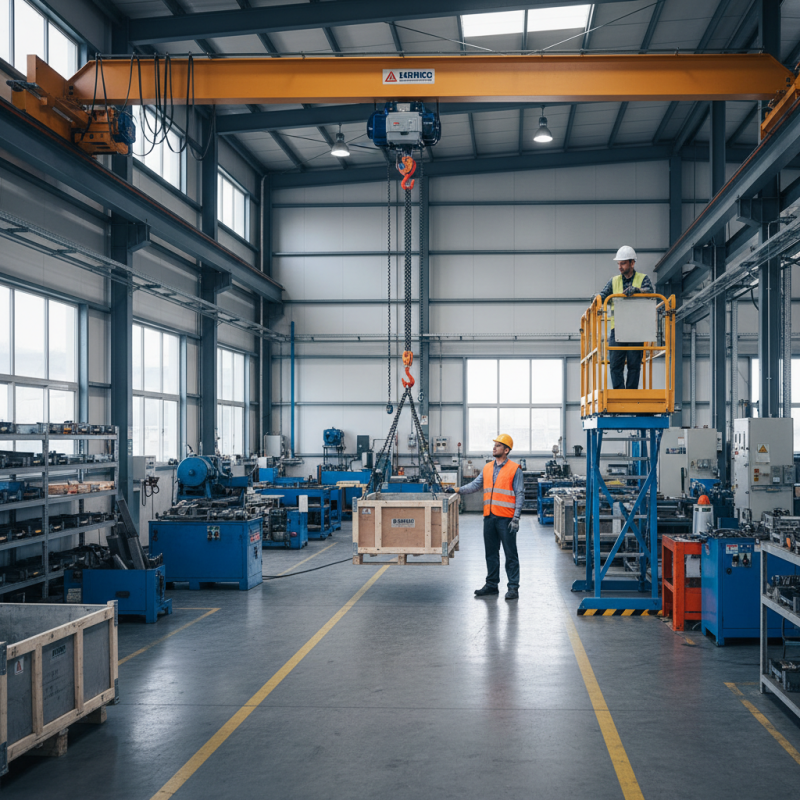
Advantages of Electric Chains Over Manual Lifting Systems
Electric chains offer numerous advantages over manual lifting systems, enhancing efficiency and safety. According to industry reports, electric chain hoists can increase lifting speed by up to 50%. This significant improvement can lead to substantial time savings in various industrial applications, from construction sites to warehouses. Faster lifting means projects can be completed more quickly, fulfilling increasing demand without compromising quality.
Moreover, electric chains reduce the physical strain on workers. Manual lifting can lead to fatigue and injury. Ergonomic studies suggest that electric systems minimize risks of musculoskeletal disorders. This shift is crucial as workplace safety regulations tighten. However, the initial cost of electric systems can be a barrier. Not every company can afford the upfront investment. Yet, the long-term savings in labor costs and increased productivity often justify the expense.
Despite these benefits, there are challenges. Maintenance and technical issues can arise with electric chains. Operators may need specialized training, adding to operational costs. Furthermore, reliance on electricity may pose risks in environments prone to power outages. Balancing these considerations is vital for companies deciding between electric chains and manual systems.
What are the Benefits of Using Electric Chain for Lifting? - Advantages of Electric Chains Over Manual Lifting Systems
| Feature |
Electric Chain |
Manual Lifting System |
| Ease of Use |
User-friendly controls and minimal physical effort required. |
Requires significant physical strength and technique. |
| Lifting Speed |
Higher lifting speeds, improving workflow efficiency. |
Slower lifting speeds, may cause delays. |
| Safety |
Reduced risk of injury with automatic limit switches and controls. |
Higher risk of injury due to manual handling limitations. |
| Load Capacity |
Can handle heavier loads with consistent performance. |
Limited by human strength; difficult to lift heavy items. |
| Maintenance |
Requires regular maintenance but generally low upkeep. |
May require frequent repairs and higher manual intervention. |
| Cost Efficiency |
Higher initial investment but cost-effective in the long run. |
Lower initial cost but may incur higher operational costs. |
| Flexibility |
Can be adapted easily for various lifting tasks. |
Less adaptable; often limited to specific tasks or weights. |
Enhanced Efficiency and Speed in Lifting Operations
Electric chains have transformed lifting operations. Their design allows for greater efficiency and speed. This is especially important in busy industrial settings. Workers can move heavy loads faster than with traditional systems. It reduces the overall lifting time significantly. Enhanced speed leads to increased productivity.
When using electric chains, precision matters. Operators can control lifting height more accurately. This minimizes the risk of accidents. However, users need to be aware of the power requirements. Sometimes, the electric source may not be readily available. Operators must consider the location and setup before starting.
There is a learning curve for new users. Understanding the controls is crucial for safe operation. Misunderstanding features could lead to inefficiencies. Training is essential but sometimes overlooked. Regular maintenance is necessary, too. Neglecting this can lead to performance issues. The benefits of speed should not compromise safety or efficiency.
Safety Features and Reductions in Workplace Injuries
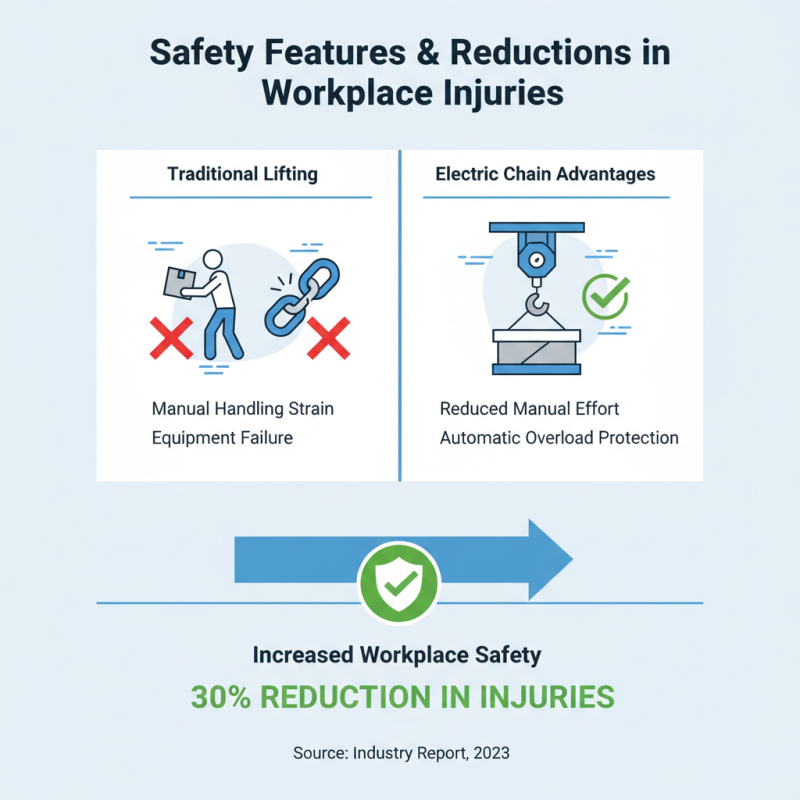
Electric chains are providing significant improvements in workplace safety. These systems are designed to reduce the risk of injuries. Traditional lifting methods often pose hazards, such as heavy manual handling and equipment failures. Electric chains significantly cut down on these risks. They feature automatic overload protection, which prevents lifting loads that exceed the system’s capacity. This safety feature helps minimize accidents.
In addition to overload protection, electric chains include emergency stop functions. Workers can quickly halt operations during unforeseen situations. This responsive feature adds peace of mind. Moreover, electric chains require less physical effort to operate, which reduces fatigue among workers. When employees are less tired, they may be more alert and focused. Fatigue is a well-known contributor to workplace accidents.
Despite these benefits, there are still considerations to address. Training is essential for safe operation. Inadequate training can lead to misuse and compromise safety. Operators must understand the equipment thoroughly. Furthermore, regular maintenance is crucial. Neglecting maintenance can lead to malfunctions and hazards. While electric chains enhance safety, it’s important to remain vigilant. Continuous education and awareness can further enhance a safe working environment.
Versatility in Applications Across Different Industries
Electric chains are becoming increasingly versatile across various industries. In logistics, they improve efficiency with faster lifting speeds. According to a 2022 report by the Industrial Equipment Association, electric chain hoists can elevate loads up to 50% quicker than traditional systems. This is crucial in warehouses where time is money.
In construction, these chains support weight capacities that can reach several tons. They significantly enhance safety by minimizing human error. An analysis by the Occupational Safety and Health Administration highlights that improper lifting is one of the top causes of workplace injuries. Electric chains reduce this risk, yet operators still need proper training to ensure safety standards are met.
In manufacturing, electric chains adapt to different tasks. They excel in assembly lines where adaptability is key. A survey conducted by the Manufacturing Institute found that over 70% of manufacturers are investing in equipment that offers greater flexibility. Despite this, many companies struggle with maintenance. They often overlook routine checks, leading to breakdowns that halt production. This means even the best equipment needs diligent care to perform reliably.
Cost-effectiveness and Long-term Savings with Electric Chains
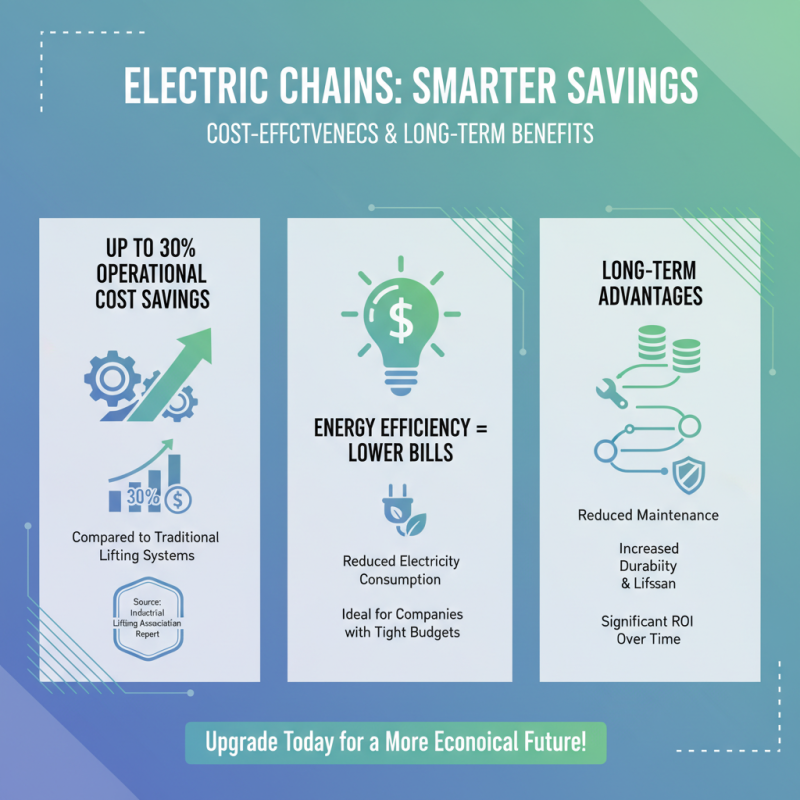
Electric chains are gaining popularity in various industries due to their cost-effectiveness. On average, businesses can save up to 30% on operational costs compared to traditional lifting systems. This figure comes from a report by the Industrial Lifting Association, which highlights the efficiency of electric chains in high-demand environments. Their energy efficiency translates to lower electricity bills, a significant advantage for companies with tight budgets.
Long-term savings are another crucial benefit of using electric chains. According to industry studies, companies can achieve up to a 20% reduction in maintenance costs over five years. Electric chains often have fewer moving parts than their manual counterparts. Consequently, they require less frequent repairs and replacements. This fact can lead to enhanced productivity and reduced downtime, yet some businesses may still hesitate to make the switch. They worry about initial investment costs, which might take time to show returns.
Moreover, safety is often overlooked when discussing costs. Electric chains provide consistent lifting capabilities, reducing the risk of accidents. However, improper training still occurs in many workplaces. A report from the Safety Lifting Forum emphasizes that around 30% of lifting-related incidents are due to human error. Investing in electric chains alone doesn’t solve these issues. Training and safety protocols must keep pace with the technology to fully leverage the benefits.