2026 Top Electric Scissor Lift Tables Buying Guide
Choosing the right Electric Scissor Lift Tables in 2026 requires more than comparing lifting capacity and prices. A dependable table must match the work environment, load shape, lifting frequency, and available floor space. In a warehouse, the wrong platform may wobble under an uneven pallet. In a production area, a slow charging cycle can interrupt an entire shift.
This buying guide examines practical specifications that affect daily performance. These include maximum load, platform dimensions, lifting height, lowered height, battery type, charging time, mobility, and control design. It also considers safety features, such as emergency stops, overload protection, guarding, and stable wheel systems. Buyers should verify technical documents and applicable regional requirements before ordering. Claims from suppliers deserve careful checking.
Real working conditions matter.
A compact lift may suit a narrow aisle but struggle with bulky materials. A high-capacity model may appear stronger, yet its weight can exceed the floor’s practical limits. Noise, maintenance access, and operator visibility also influence long-term value. These details are easy to miss during a short product demonstration.
The 2026 market includes smarter controls, improved battery systems, and more ergonomic designs. However, newer does not always mean better for every application. Some advertised features may add cost without improving productivity. This guide encourages a balanced review based on measurable needs, credible manufacturer information, and feedback from actual operators. It also recognizes an uncomfortable truth: even careful buyers can overlook site-specific risks. Rechecking assumptions is part of responsible equipment selection.
What an Electric Scissor Lift Table Is and How It Works
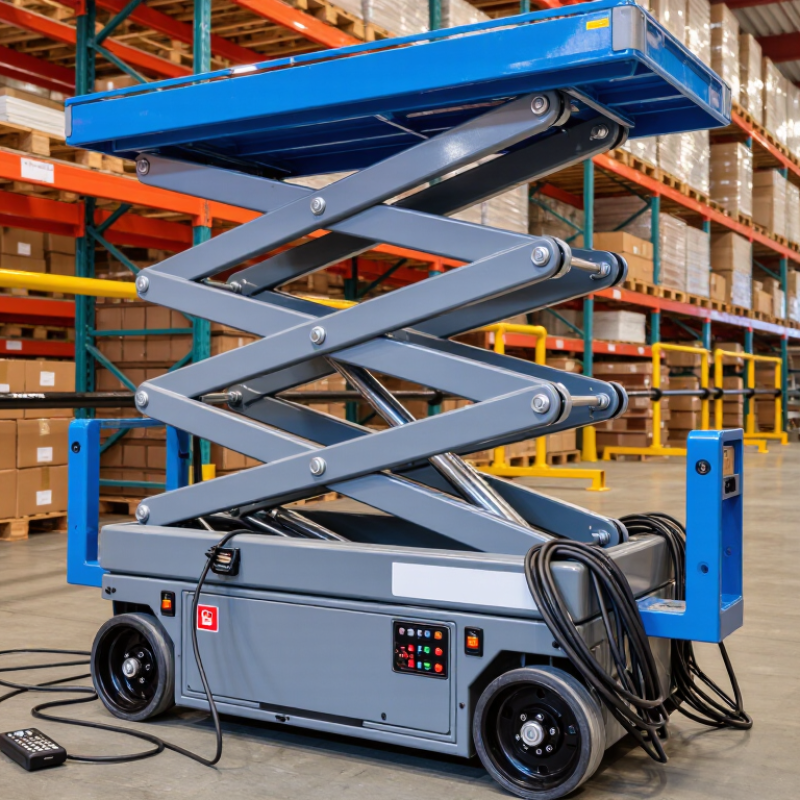
An electric scissor lift table is a powered platform that raises or lowers materials vertically. It uses crossed steel arms, called scissor legs, beneath a flat lifting surface. An electric motor drives a hydraulic pump or an electric actuator. That force opens the scissor mechanism and lifts the platform evenly.
The operator controls movement with push buttons, a pendant, or a foot switch.
Sensors can stop travel at preset height limits. Many models include overload protection, emergency stops, safety bars, and maintenance supports. A battery-powered unit suits changing workstations, while an AC-powered model fits fixed production areas. The choice depends on load weight, lift height, platform size, duty cycle, and floor conditions.
In a warehouse, the load should sit near the platform center. Uneven placement can increase stress on the frame. Keep hands and feet away from the scissor joints. Always inspect hydraulic lines, wheels, switches, and visible bolts before use. A level floor matters more than many buyers expect. Real workplaces are rarely perfect. Dust, narrow aisles, and rushed loading can change performance. A specification sheet may look convincing, yet it cannot predict every site condition. Test the table with a controlled load and observe its stopping behavior. If movement feels uneven, slow, or unusually noisy, remove it from service for qualified inspection. Safety depends on the machine, the operator, and the surrounding workflow.
Key Lift Table Types, Designs, and Operating Features
2026 Top Electric Scissor Lift Tables Buying Guide
Electric scissor lift tables differ mainly by structure, mobility, and working height. Stationary models suit assembly lines, while mobile designs help operators reposition loads beside conveyors. Single-scissor frames offer compact lifting, but double-scissor systems provide greater vertical travel. Low-profile tables reduce floor preparation and simplify pallet transfer. Check platform size, rated capacity, load center, and lowered height together. A larger platform does not automatically mean safer lifting.
Operating features deserve close inspection. Choose proportional controls for smoother starts and stops, especially when handling fragile containers. Guardrails, toe guards, emergency-stop buttons, and manual emergency lowering should be standard safety considerations. Battery-powered units reduce cable clutter, yet charging time and battery replacement affect daily output. IPAF’s 2024 Global Safety Report recorded 118 fatal powered-access incidents during 2023, reinforcing the value of documented inspections and operator training. That figure covers several equipment categories, not scissor lift tables alone, so direct comparisons require caution.
Independent testing should confirm overload protection, braking performance, and stability on the intended floor. ANSI/ITSDF B56.1 provides widely recognized guidance for powered industrial trucks, but buyers must still verify local requirements. In field use, uneven loading causes trouble faster than many specifications suggest. I would also measure aisle clearance with the platform fully occupied. The overlooked detail is often the most expensive one.
2026 Top Electric Scissor Lift Tables Buying Guide
Key lift table types, designs, and operating features
How to read the chart: Stationary, low-profile, and U-shaped pallet lift tables are commonly selected for fixed workstations and pallet handling. Mobile models prioritize flexibility, while double-scissor designs provide greater lifting height and higher load capacity. The capacities shown are representative industrial ranges; always confirm the rated load, platform dimensions, lift height, duty cycle, safety controls, and power requirements on the final specification sheet.
Safety Standards, Controls, Maintenance, and Workplace Applications
2026 Top Electric Scissor Lift Tables Buying Guide
Choosing an electric scissor lift table in 2026 requires more than comparing height and price. Confirm that the machine follows applicable workplace safety requirements, electrical rules, and lifting-equipment standards in your region. Ask for test records, rated-load data, guarding details, and inspection instructions. A familiar safety mark helps, but it is not proof of suitability. Check the floor, load shape, travel path, and nearby pinch points before purchase. Real conditions expose weak assumptions.
Controls should be clear under pressure. Look for a protected pendant or panel, emergency stop, controlled lowering, overload protection, and accessible isolation switches. Two-hand controls may reduce accidental movement in specific operations, while barriers and toe guards protect hands and feet. Operators need practical training, not just a signed attendance sheet. A short trial with the actual pallet, worker posture, and aisle width can reveal awkward reach or poor visibility. Small details matter.
Maintenance planning should include daily visual checks and scheduled lubrication where specified. Add hydraulic or electrical inspections, plus documented load testing by competent personnel. Keep the platform clean and inspect cables, hoses, welds, fasteners, wheels, and safety devices. Warehouse loading, machine feeding, ergonomic workstations, and vehicle servicing require different platform dimensions and travel speeds. Do not choose maximum capacity automatically; oversized equipment can create new hazards. Review the risk assessment after installation. Even careful teams miss things. Operator feedback should change procedures when evidence demands it.